
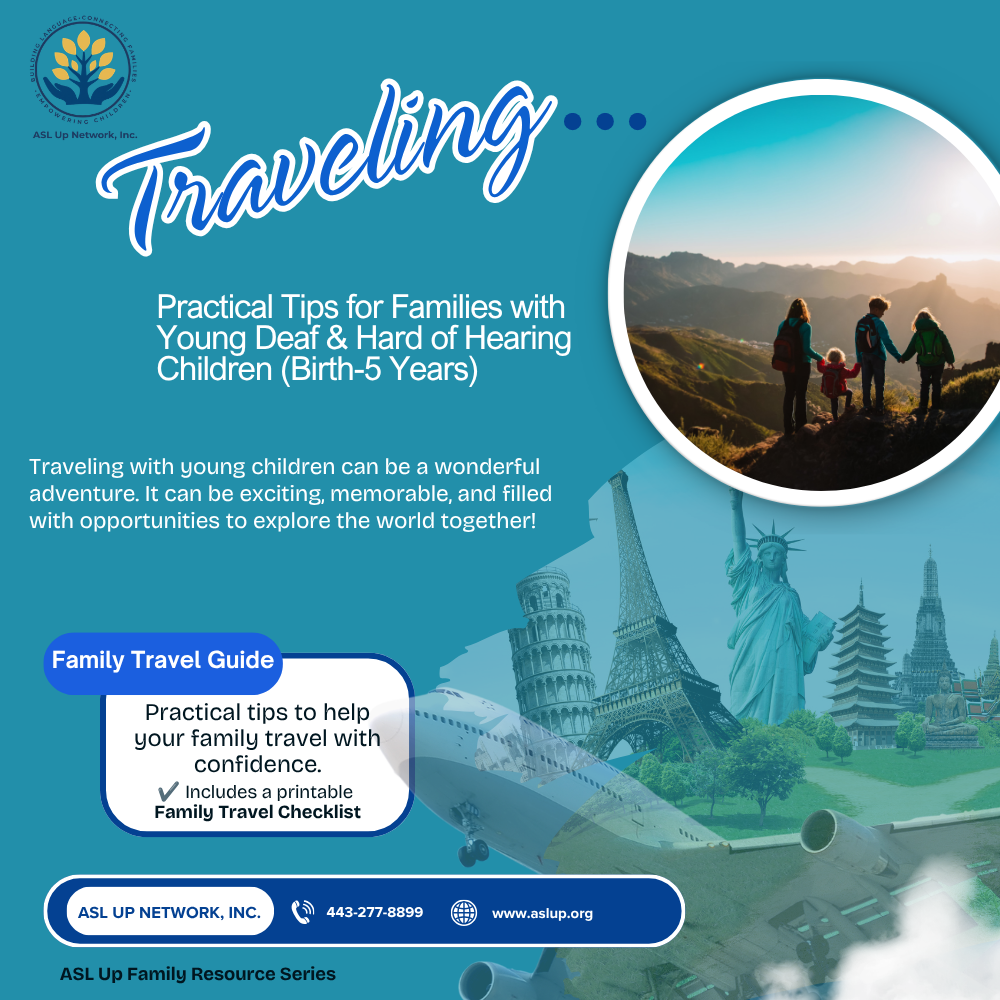
Traveling with Young Deaf and Hard of Hearing Children
Traveling with young children is an adventure. It can be exciting, memorable, and filled with opportunities to explore the world together—but it can also bring unexpected challenges. Long car rides, flights, unfamiliar places, disrupted routines, and busy schedules can feel overwhelming for both children and parents.
For families with Deaf and Hard of Hearing (D/HH) children, travel may require a little extra planning. Communication access, visual supports, and maintaining connection throughout the journey can make a big difference in helping your child feel safe, confident, and included.

Helping Deaf and Hard of Hearing Children Understand World Events
Children are often exposed to conversations, images, and information about difficult world events, even when adults try to shield them. This new article explores how families and professionals can support deaf and hard of hearing children through honest, age-appropriate conversations while ensuring language access, emotional support, and opportunities for questions and discussion.
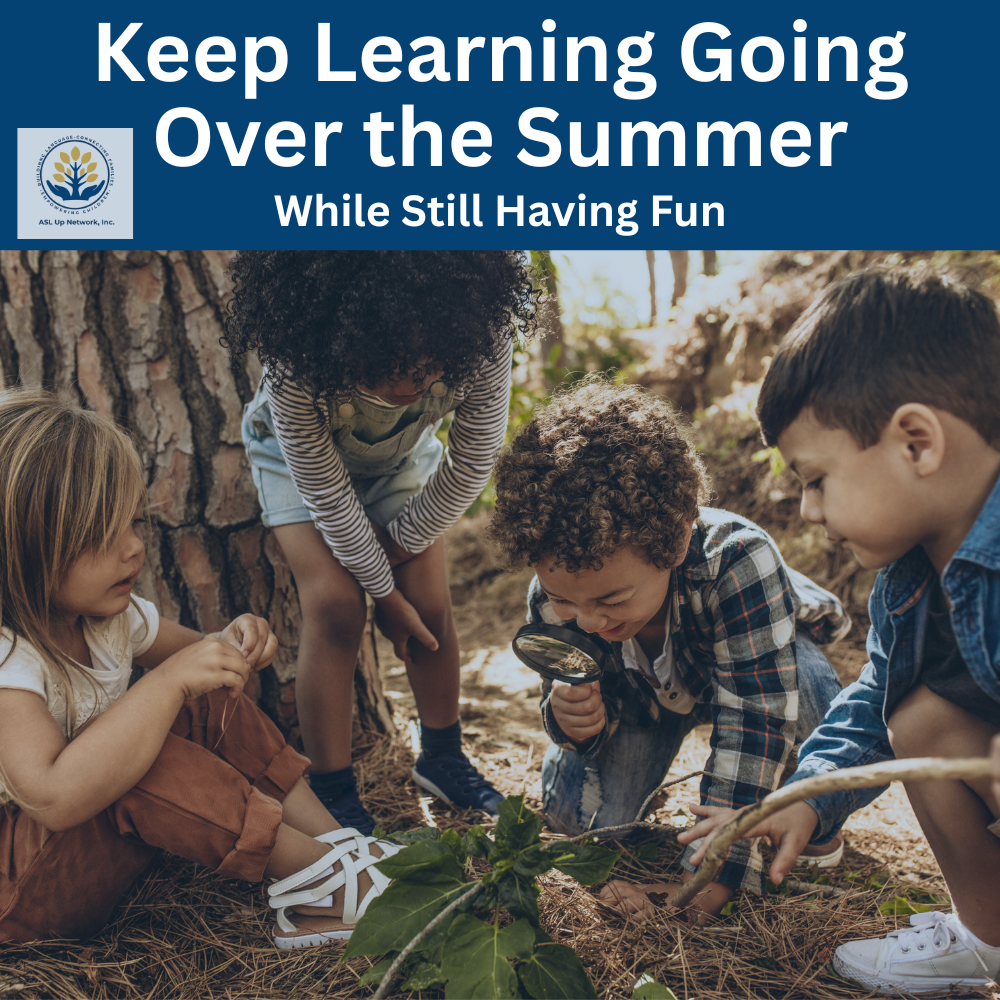
Keeping Learning Going Over the Summer–While Still Having Fun
Summer learning does not have to feel like school at home. Discover simple, meaningful ways to support language, communication, and developmental growth through everyday summer activities, play, routines, and family experiences — all while still having fun together.

More Than Summer Fun: Why Summer Camp Matters for Deaf and Hard of Hearing Children
Summer camp is more than just a fun seasonal activity for Deaf and Hard of Hearing children. It can be a powerful space for language access, belonging, and confidence to grow. Learn why accessible, inclusive camp experiences matter so deeply for children and families.
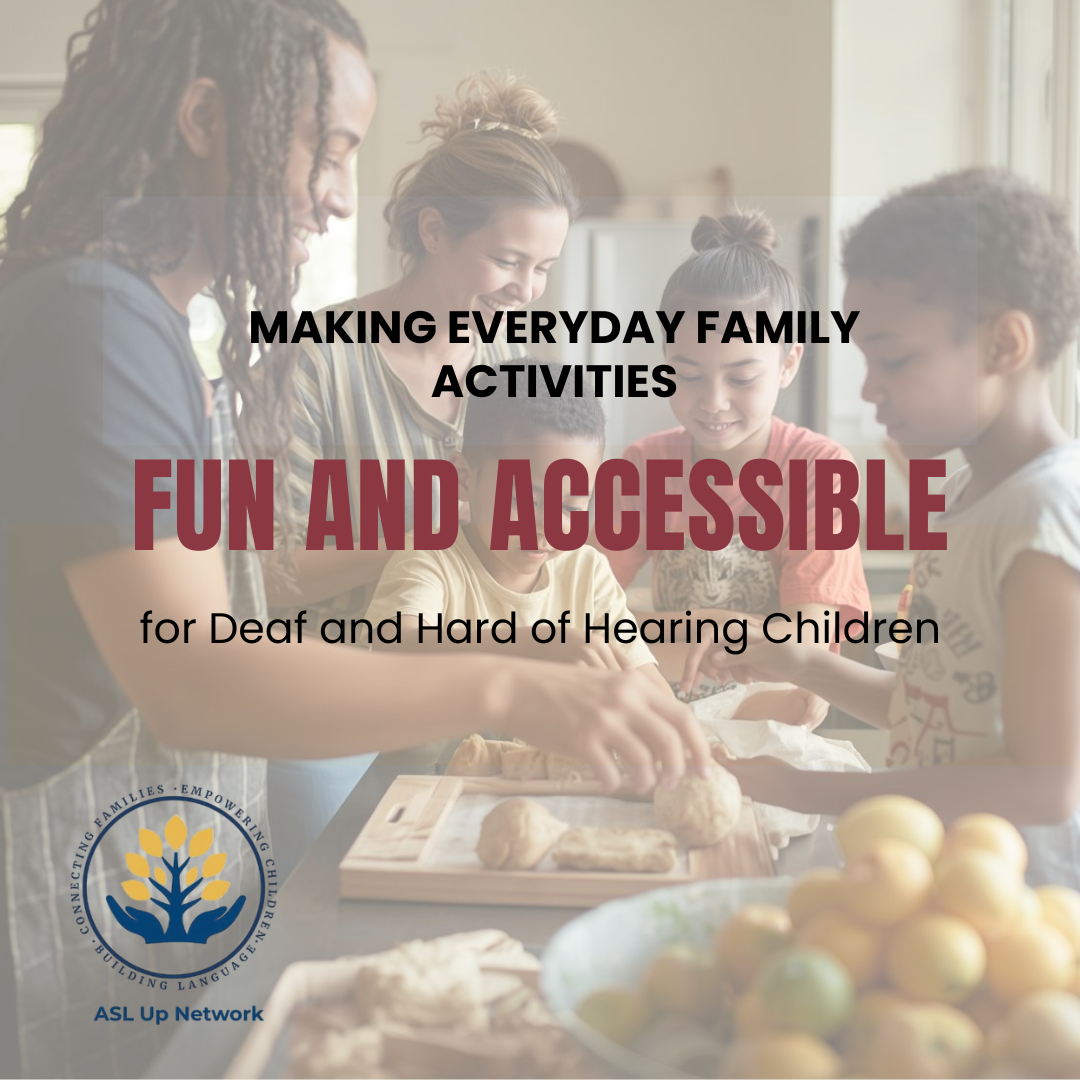
Making Everyday Family Activities Fun and Accessible for Deaf and Hard of Hearing Children
Everyday moments at home are powerful opportunities for language and connection. Learn simple, practical ways to make play, reading, and daily routines fun and accessible for Deaf and hard of hearing children—using tools you already have.
When Conversation Leaves Someone Behind: Understanding Dinner Table Syndrome
This article explains “Dinner Table Syndrome,” the isolation Deaf and Hard-of-Hearing individuals can experience when everyday conversations are not accessible. It highlights the emotional impact of being left out and offers simple, practical ways families and communities can create more inclusive, visually accessible spaces where everyone belongs.